



With a short time-frame, we needed a big boost to ticket sales
e-Motor Show Middle East approached Fatcow Digital for help with their digital advertising.
They were hosting a massive electric vehicle motor show in Forum Du Beirut and were looking at increasing their ticket sales.
They also wanted to boost their digital presence, specifically on YouTube.
e-Motor Show Middle East
Google Ads
2025-11-01
BEIRUT, LEBANON
Massive Success on TikTok and YouTube
Fatcow Digital launched campaigns across the Google Ads and TikTok networks.
First, we created eye-catching and scroll-stopping creatives to attract attention and kept it short to not interrupt user experiences on their respective platforms.
On TikTok, we were able to generate massive traffic that translated into high conversions and boosted ticket sales through the roof.
All this, with a low CPA, which means we were spending very little for every ticket sold and every event-goer that was coming.
On YouTube, we saw similar success, with the added benefit of achieving a secondary goal with hundreds of new subscribers to the e-Motor Show YouTube channel.
Determining if a digital marketing strategy is right for your business requires a comprehensive assessment across several key dimensions aligning the strategy with your business goals, target audience, resources, and competitive environment.
In this guide, we answer a common question:
How can I determine if a digital marketing strategy is right for my business?
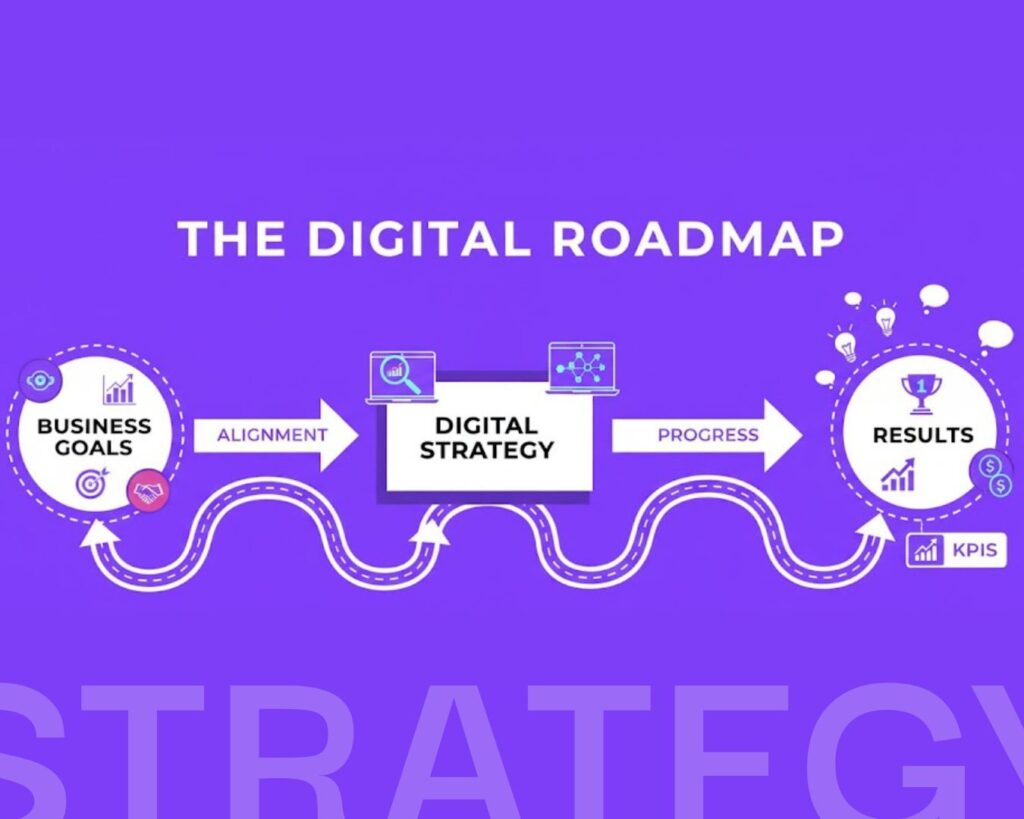
The most fundamental test is whether the strategy directly supports and helps achieve your overarching business goals.
Timeline Feasibility: Is the proposed timeline realistic and aligned with your business’s growth plan?
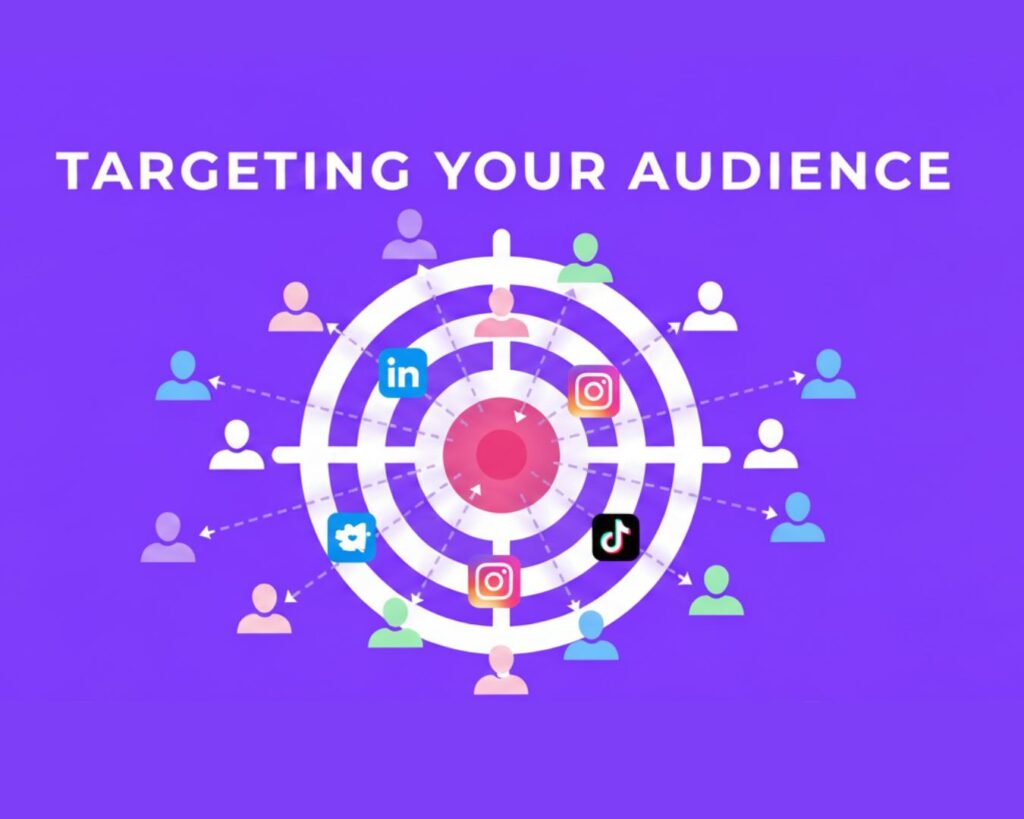
An appropriate strategy speaks directly to the people you want to reach.
Messaging Resonance: Is the content tailored to their needs, motivations, and stage in the buyer’s journey?
“When you get a digital marketing proposal including SEO, Google Ads, social media, or email campaigns the first question you should ask yourself is why am I doing this?
Are you doing it to make your brand visible and build awareness, you need more sales and leads, need to get more followers because of your business niche, if you are an artist, a public figure, etc., or you simply like to get a lot of followers simply to show it off?
If your main goal is sales, ask whether your audience is the kind of people who search for your product or service on Google.
If yes, then Google Ads and SEO will perform best.
But if your product is new and people don’t know it yet, they won’t be searching for it, which means social media is your best entry point to generate interest and awareness.
Knowing your audience is the first step in deciding what type of digital marketing fits you.
Once you know them, define your targets clearly:
Ultimately, the right strategy depends on who your audience is, what your goals are, and where your customers spend time online.”
This practical perspective reinforces the importance of audience understanding before choosing marketing channels. Understanding your audience is at the core of any results-focused strategy, not just a digital marketing strategy. Nothing can work, no online advertising plan or hack, no matter how good it is, without knowing your ideal client.

A perfect strategy is useless if you lack the resources to execute it.
Technology Stack: Do you have tools (CRM, analytics, automation software) to track and optimize performance?
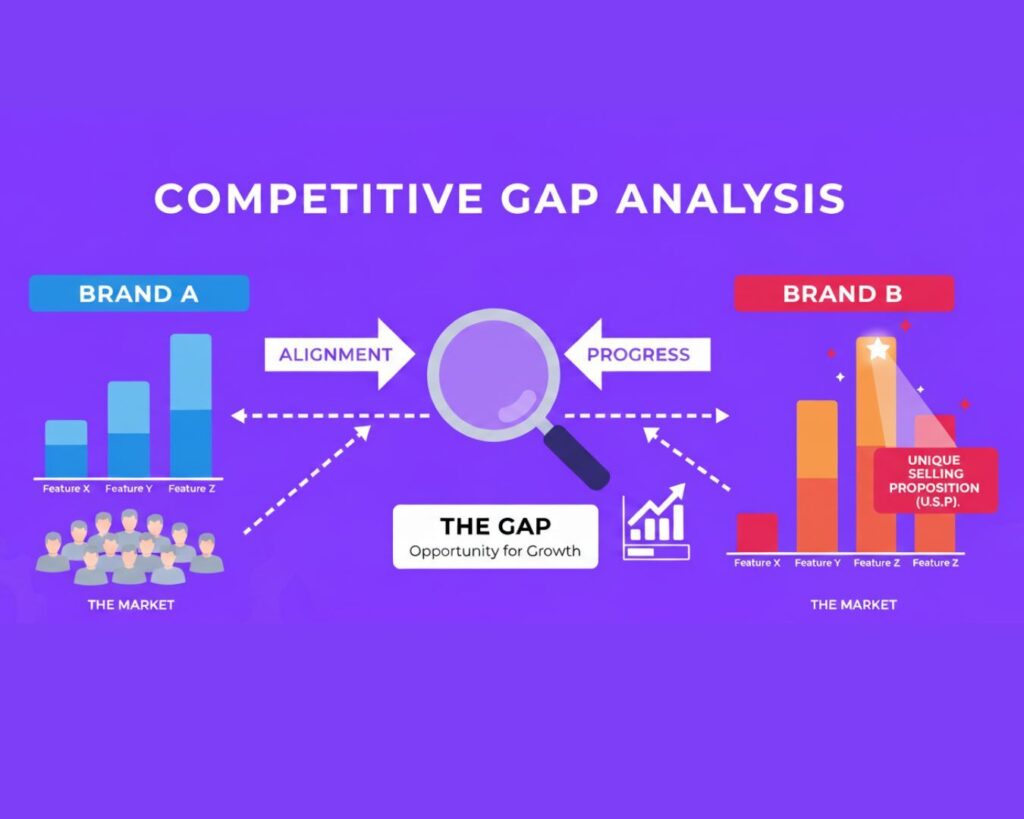
A good strategy doesn’t exist in isolation; it must consider the external environment.
Market Trends: Is your plan adaptable to changes like new algorithms, AI adoption, or privacy laws?
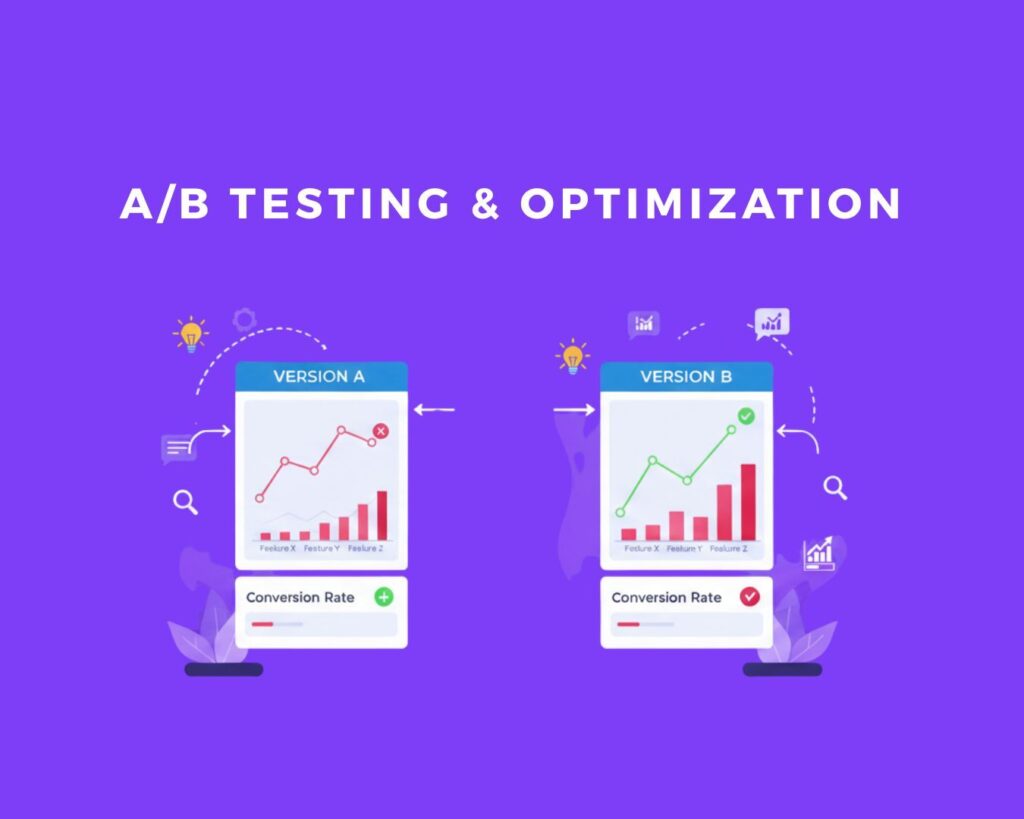
A strong strategy is measurable and flexible.
Optimization Cycle: Does the plan include A/B testing and continuous refinement based on results?
Digital marketing success starts with clarity knowing your why, your who, and your how.
Once those are clear, you’ll immediately know whether a proposed digital marketing strategy truly fits your business or just looks good on paper.

One of the most common questions business owners ask when planning a new brand strategy or updating their identity is:
“What’s the Return on Investment (ROI) of building a brand?”
Because brand building is a complex process, defining a clear ROI isn’t as simple as many business owners imagine.
Are there clear benefits of branding?
Absolutely yes.
Can we easily calculate ROI from those benefits?
That depends on what you mean by “easily.”
In marketing, we can track campaign results such as website visits, leads, or successful sales. Then we can calculate the revenue from those customers and determine the ROI.
A brand affects marketing and every other aspect of your business.
However, branding is not marketing.
Most of the time, we can’t directly link brand-building expenses to specific revenue figures or sales outcomes.
Still, your brand impacts marketing, operations, hiring, customer experience, and business reputation.
That’s why branding is both incredibly valuable and difficult to measure.
So, let’s go deeper and understand what a brand truly is, what benefits it brings, and how to think about its ROI.
A brand is not just a logo, slogan, or color palette.
It’s the total perception and emotional connection people have with your business customers, employees, and even competitors.
Your brand defines:
In simple terms, your brand is your business reputation, built over time through consistent experiences, visuals, and values.
A well-built brand delivers measurable and long-term value across every department in your organization.
Here are the key benefits:
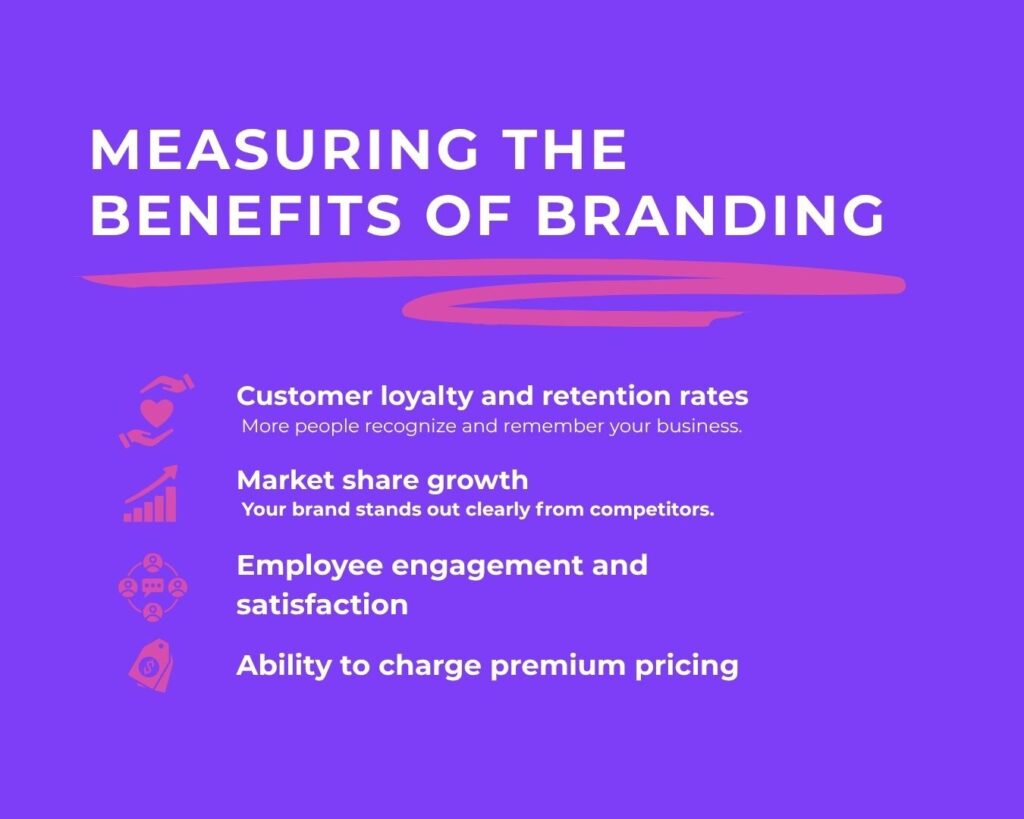
Unlike a digital ad campaign, brand ROI isn’t measured in clicks or short-term sales.
Instead, it’s evaluated through long-term performance indicators such as:
Brand ROI is indirect but cumulative it compounds value in every part of your business over time.
Failing to invest in your brand can cost you more than you realize.
Ask yourself:
These questions may seem harsh, but they reveal an essential truth.

The real reason ROI is hard to calculate for branding is that brand building is foundational.
A strong brand influences and empowers every part of your business from marketing and sales to HR, operations, and leadership.
A great brand:
Companies that don’t invest in their brand are sacrificing all these long-term advantages.
Is your business ready to unlock the full power of strategic branding?
Discover how our Brand Strategy Services can help you build a brand that drives measurable success and sustainable growth.
Build a brand that drives awareness, loyalty, and profitability. Start with a practical step today.
Are you tired of relying solely on unpredictable referrals? Do your ad campaigns bleed cash without delivering reliable, high-quality leads?
For service-based small businesses, the struggle for consistent client acquisition is real. You need a predictable system to turn marketing efforts into booked work, even on a tight budget.
This guide isn’t just another collection of tips; it’s your definitive solution. We’ve distilled years of expertise into a structured, actionable framework designed to transform your lead generation. We’ll walk you through the core strategies, culminating in our Ultimate 80-Point Lead Generation Checklist.
This isn’t just a list; it’s a comprehensive, editable Google Sheet that helps you prioritize, implement, and track the best tactics for your business. It covers everything from website optimization and content to social media, referrals, and email nurture, ensuring you get more clients now.

Don’t want to read the whole article? We get it. Download the full, editable 80-Point Lead Generation Checklist Google Sheet right now and jump straight to execution!
Before you launch any campaign, a solid foundation is non-negotiable. This phase ensures your efforts are targeted, measurable, and compliant, setting the stage for predictable lead generation.
Effective lead generation starts with clarity. You need to understand who your ideal client is, what you aim to achieve, and what you can afford to spend. This involves defining your Ideal Client Profile (ICP), setting SMART (Specific, Measurable, Achievable, Relevant, Time-bound) goals for lead quantity and quality, and calculating your target Cost Per Lead (CPL) to ensure profitability.
Checklist Point 6: Calculate Target Cost Per Lead (CPL): Determine the maximum you can spend to acquire a profitable lead.
Your digital infrastructure must be robust and conversion-focused. This includes choosing the right core channels for your business, ensuring all your data handling is compliant, and verifying that your conversion tracking is accurately capturing every lead. Without these technical elements, your marketing efforts are flying blind.
Not all leads are created equal. Implementing lead scoring allows you to prioritize your efforts, focusing on prospects most likely to convert. This requires defining clear criteria for what constitutes a Marketing Qualified Lead (MQL) versus a Sales Qualified Lead (SQL), and assigning points based on engagement and fit.
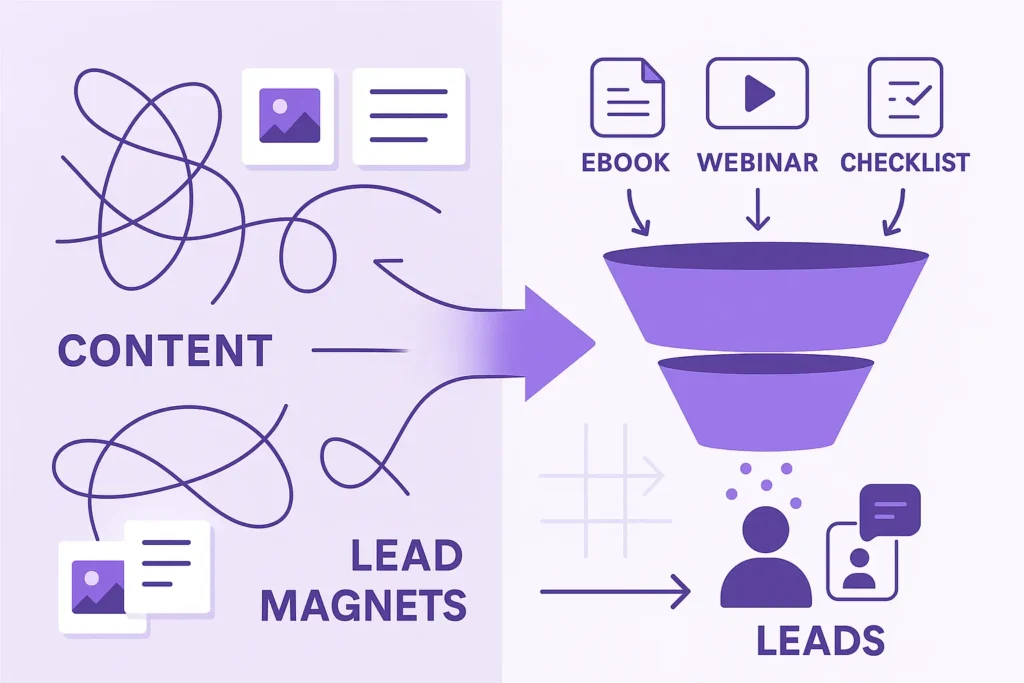
Content marketing is your secret weapon for attracting and engaging leads by showcasing expertise and answering client questions. This section focuses on creating valuable content that not only ranks but also drives conversions.
To capture prospects actively searching for solutions, your content needs to be visible. This means optimizing your blog posts for conversion, creating dedicated local SEO service pages, and researching “question keywords” to directly address your ideal client’s pain points. Mobile optimization is also critical, as many service searches happen on phones.
Lead magnets are your primary tool for capturing contact information. They offer an immediate solution to a prospect’s problem in exchange for their details. High-value formats like free audits, value calculators, and utility checklists are particularly effective for service providers, as they demonstrate competence and filter for motivated prospects.
Once a prospect clicks on your content or ad, the landing page must be designed for conversion. This means simplifying forms to reduce friction, strategically using exit-intent pop-ups to capture departing visitors, and ensuring clear Calls-to-Action (CTAs) are prominently placed above the fold.
Paid advertising and strategic social media engagement can accelerate your lead generation, offering immediate visibility and targeted reach. This section explores how to leverage these channels for maximum impact.
Social media platforms offer powerful tools for lead capture. Utilizing native lead forms on platforms like Meta (Facebook/Instagram) and LinkedIn allows prospects to submit their information quickly, often without leaving the platform, significantly reducing friction and boosting conversion rates.
Not every visitor converts on their first visit. Retargeting allows you to re-engage high-intent audiences, such as those who visited your pricing page or added items to a cart. By creating segmented audiences and uploading existing customer lists, you can deliver highly relevant ads that nudge prospects closer to conversion.
Trust is a huge factor in service-based businesses. Leverage social proof directly in your advertising by running ads that showcase glowing testimonials, client logos, or high-value statistics from successful case studies. This builds credibility and reduces perceived risk for potential clients.
For high-ticket or B2B services, Account-Based Marketing (ABM) can be incredibly effective. This strategy involves identifying a small list of high-value target accounts and running hyper-targeted ads specifically to decision-makers within those organizations, ensuring your message reaches the right people.
Capturing a lead is just the first step. This phase focuses on nurturing those leads, building trust, and implementing strategies that convert prospects into loyal, paying clients.
Speed is paramount in lead conversion. Studies show that responding to a lead within five minutes significantly increases your chances of qualifying them. While the checklist point here refers to gating content, the principle of immediate engagement is critical. Integrate your CRM to ensure prompt follow-up and track interactions.
Automated email sequences are essential for nurturing prospects over time. A well-crafted welcome sequence immediately after lead capture introduces your brand and builds trust. Beyond that, implement workflows that deliver staged content based on lead score or specific actions, guiding prospects from awareness to decision.
Leverage your satisfied clients and complementary businesses to generate high-quality leads. Formalizing client referral programs with clear incentives and establishing strategic partnerships with non-competing businesses can create powerful, low-cost lead streams built on trust.
Your sales page or booking process is where the final conversion happens. Reduce hesitation by offering a strong service guarantee, showcasing compelling client testimonial videos, and making it incredibly easy for hot leads to book a call immediately with an instant booking page.
We’ve covered a lot of ground, from building a solid foundation and attracting clients with compelling content to accelerating growth with paid ads and nurturing leads into paying customers. The 80-Point Lead Generation Checklist provides actionable steps across all these phases, specifically tailored for service-based businesses.
Applying all 80 steps can seem daunting, but the key is to start. That’s why we’ve compiled the entire list into a beautifully organized, trackable spreadsheet. It’s designed to help you prioritize, implement, and monitor your progress, turning complex strategies into manageable tasks.
DOWNLOAD THE 80-POINT SERVICE BUSINESS LEAD GENERATION CHECKLIST (Google Sheet)
Stop leaving leads on the table. Download your free, editable Google Sheet and start tracking your success today!

Local SEO delivers targeted visibility that can transform a storefront’s bottom line: 80 percent of local mobile searches convert into purchases within hours.
This guide equips small businesses with proven strategies to enhance visibility in Google’s local pack, boost foot traffic, and maximize ROI from local search investments.
You’ll discover why local SEO matters, how to optimize your Google Business Profile, manage online reviews, build authoritative local links, craft location-specific content, and leverage mobile-and-voice search trends, all backed by 2025-era data. Read on to overcome visibility challenges, implement step-by-step tactics, and measure success with key performance indicators mapped to each strategy theme.
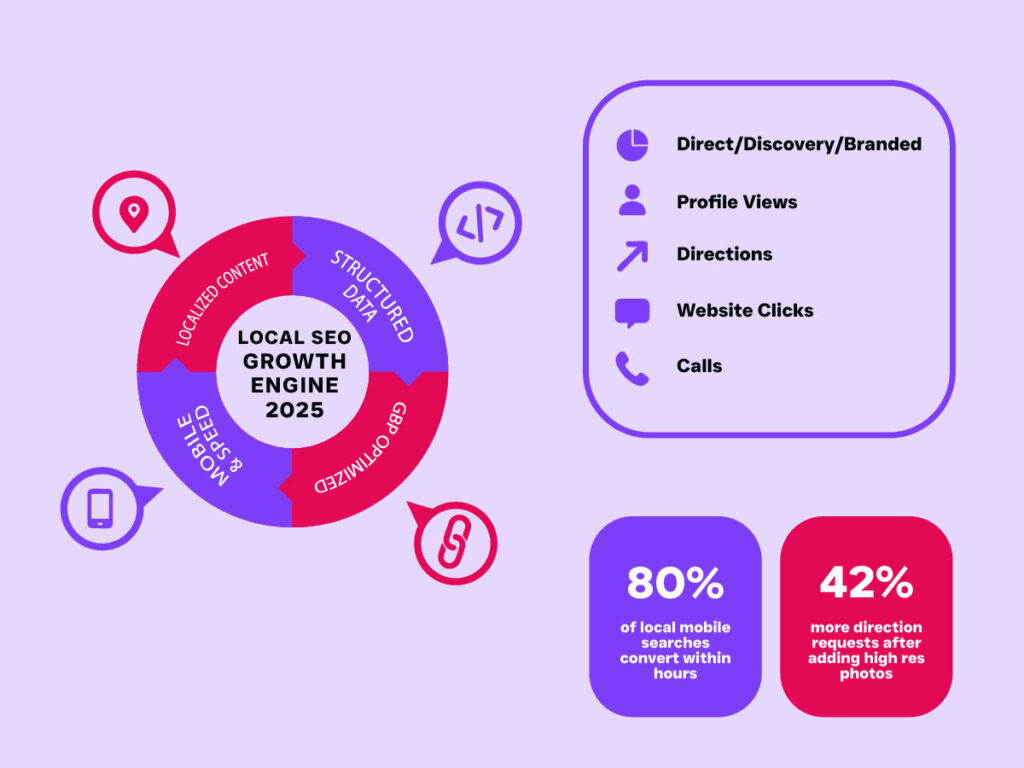
Local SEO is the practice of optimizing online presence to appear prominently in geographically-targeted search results, building trust and driving local traffic.
By focusing on structured data, citations, reviews, and mobile usability, businesses can improve local search rankings and visibility. An integrated approach that balances on-page optimization, Google Business Profile management, and community engagement yields the greatest impact on foot traffic and conversions.
Local SEO is critical because it connects high-intent customers with nearby businesses at the moment of need.
When someone searches “open now near me,” accurate NAP (Name-Address-Phone) citations, optimized business profiles, and positive reviews determine who appears at the top of the map pack.
Small businesses that invest in local SEO gain a competitive edge by increasing brand trust, capturing last-mile search queries, and converting searchers into store visitors. This relevance in local searches lays the groundwork for profile optimization tactics.
|
Factor
|
Attribute
|
Why It Matters
|
|---|---|---|
|
Google Business Profile
|
Completeness & Categories
|
Signals relevance and helps Google match local intent
|
|
Citation Consistency
|
NAP Uniformity (Name, Address, Phone)
|
Establishes trust and prevents conflicting signals
|
|
Online Reviews
|
Volume & Rating
|
Drives social proof and influences ranking algorithms
|
|
On-Page Location Signals
|
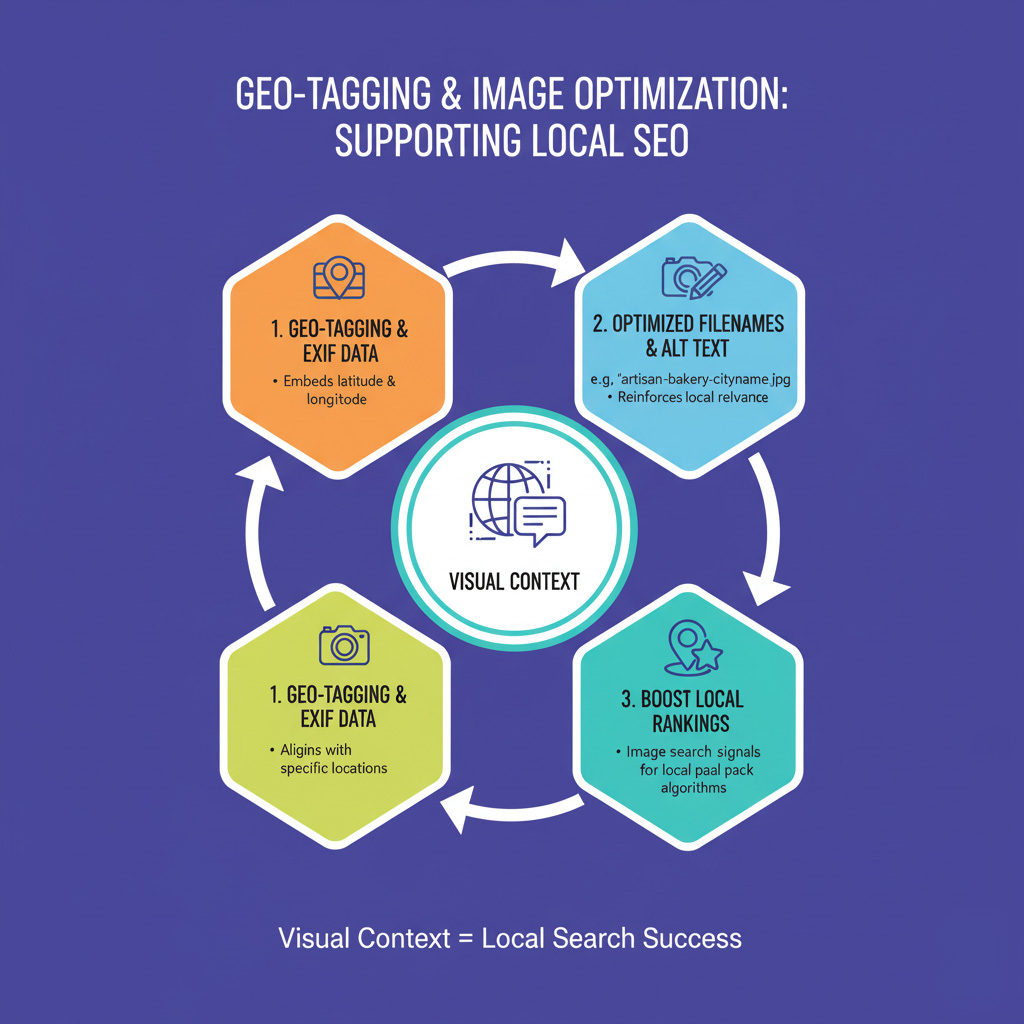
Address & Geotags
|
Confirms business location for search engines
|
|
Mobile Page Speed
|
Load Time < 2 sec
|
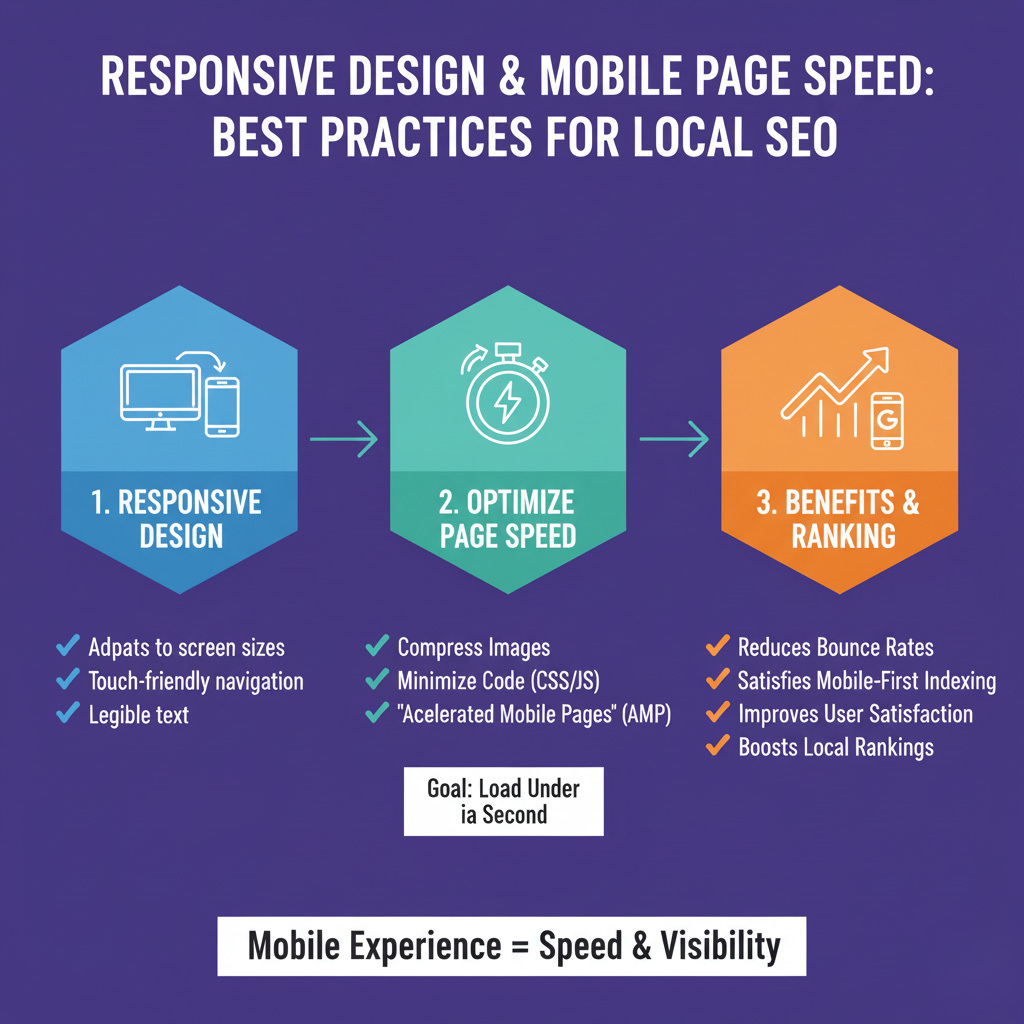
Improves user experience and supports mobile indexing
|
|
Structured Data Markup
|
Local Business & Review
|
Enhances SERP features and snippet eligibility
|
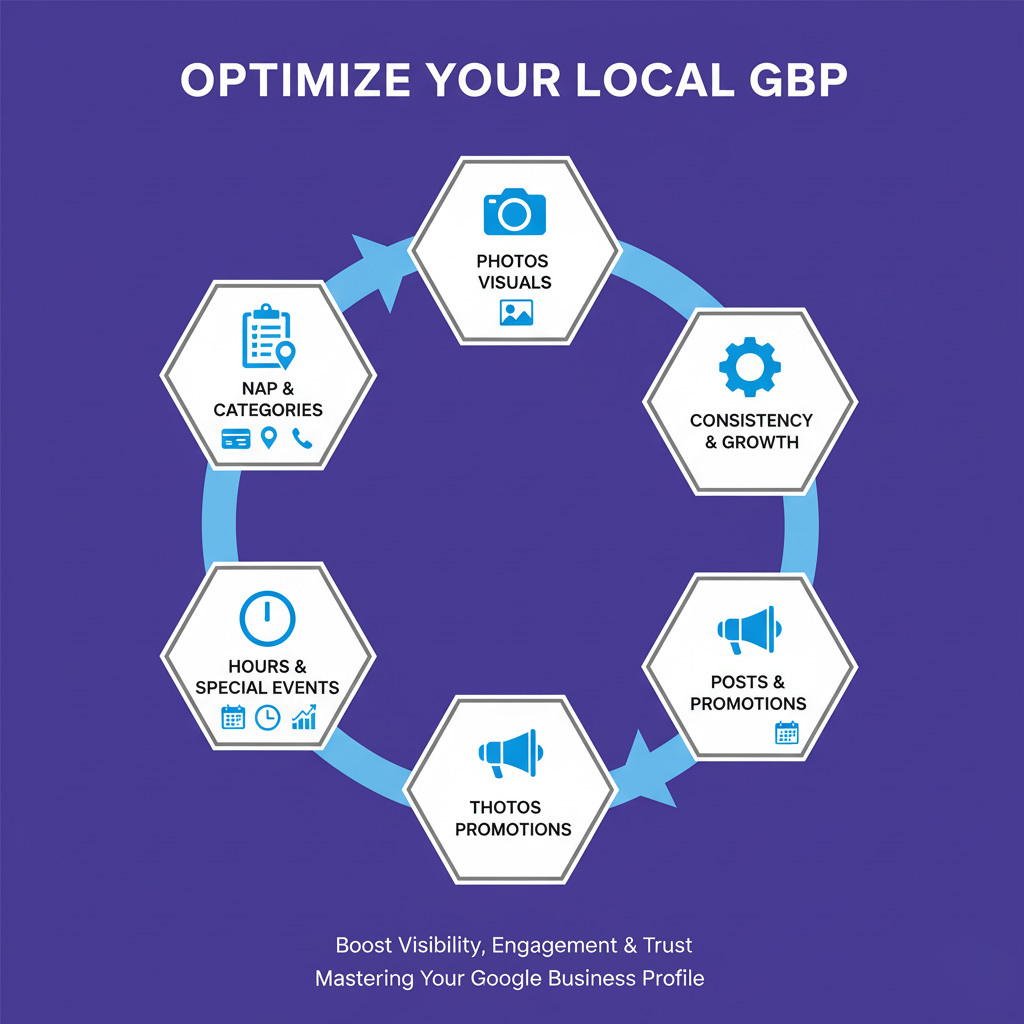
A precise NAP entry and accurate business category align your profile with relevant searches.
Consistent optimization across these fields sustains search prominence and prepares you for advanced tactics.
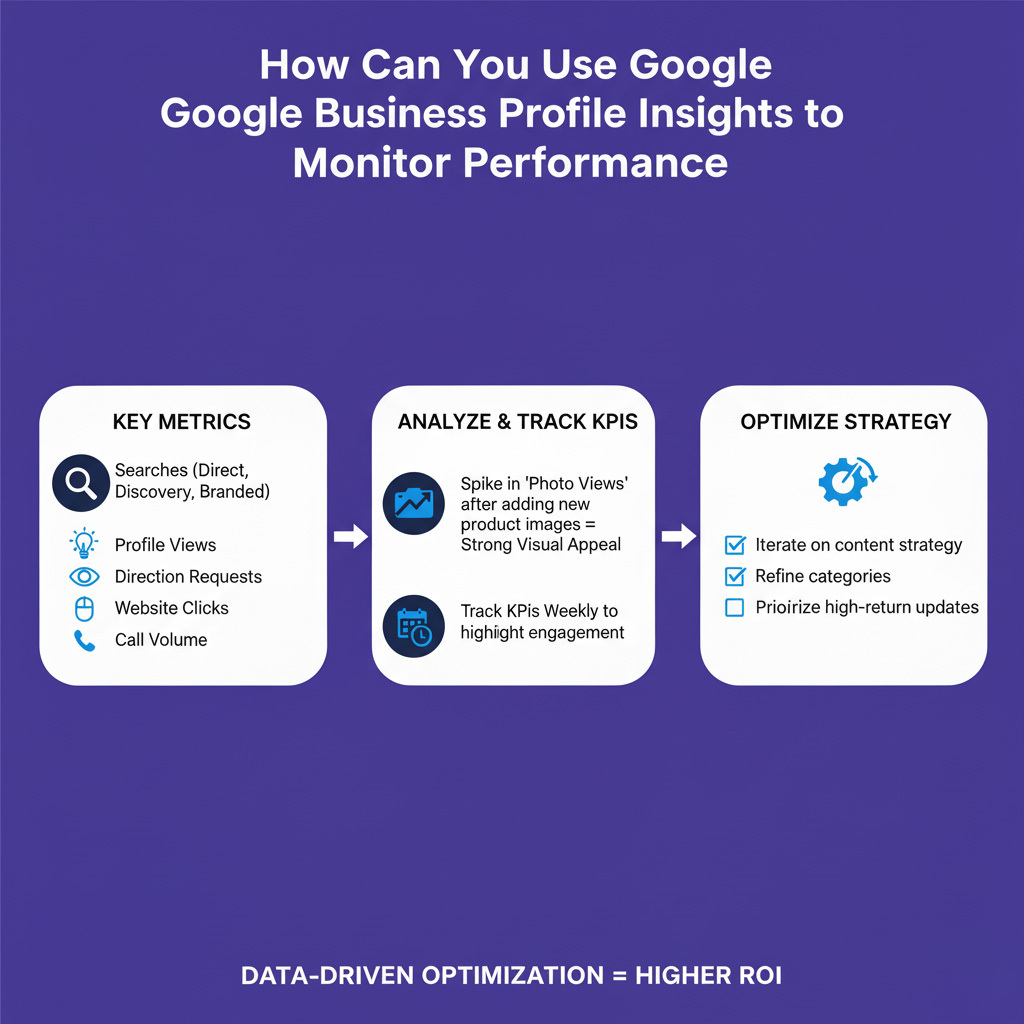
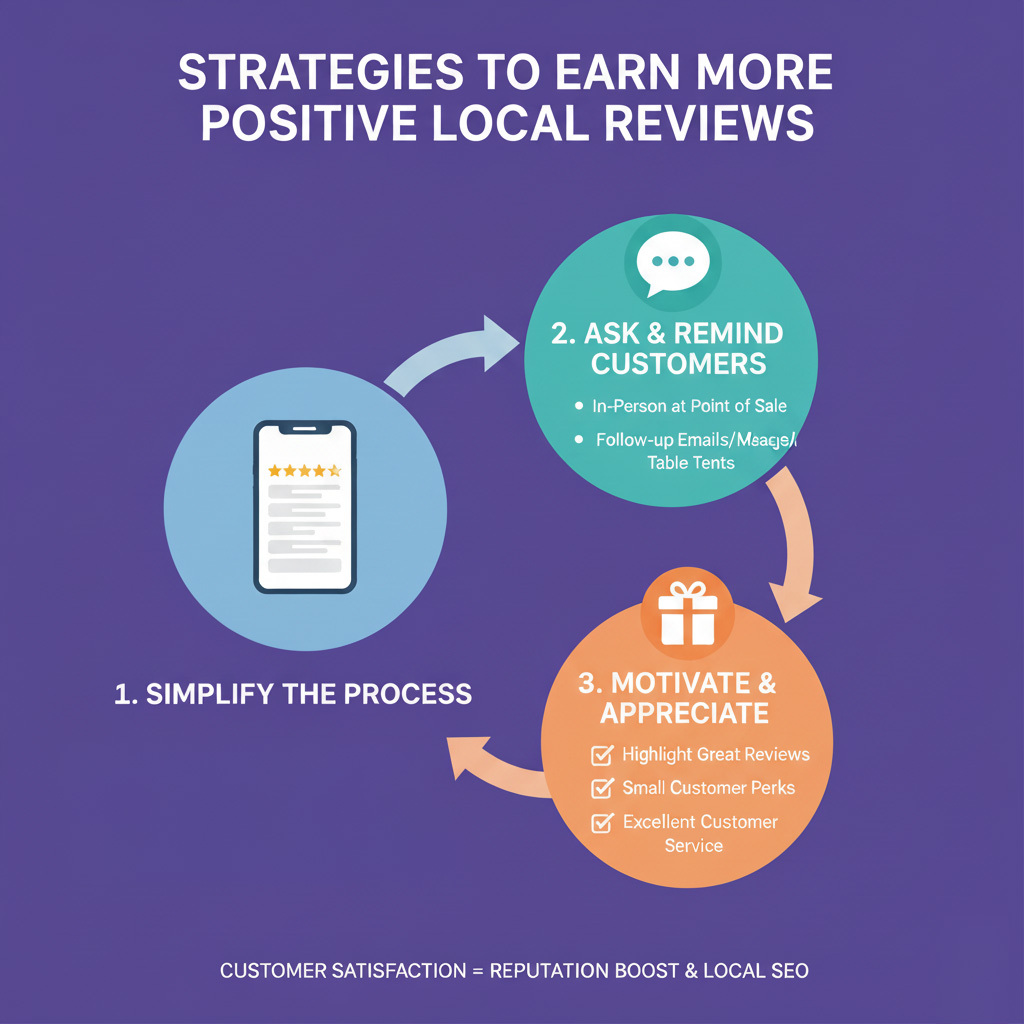
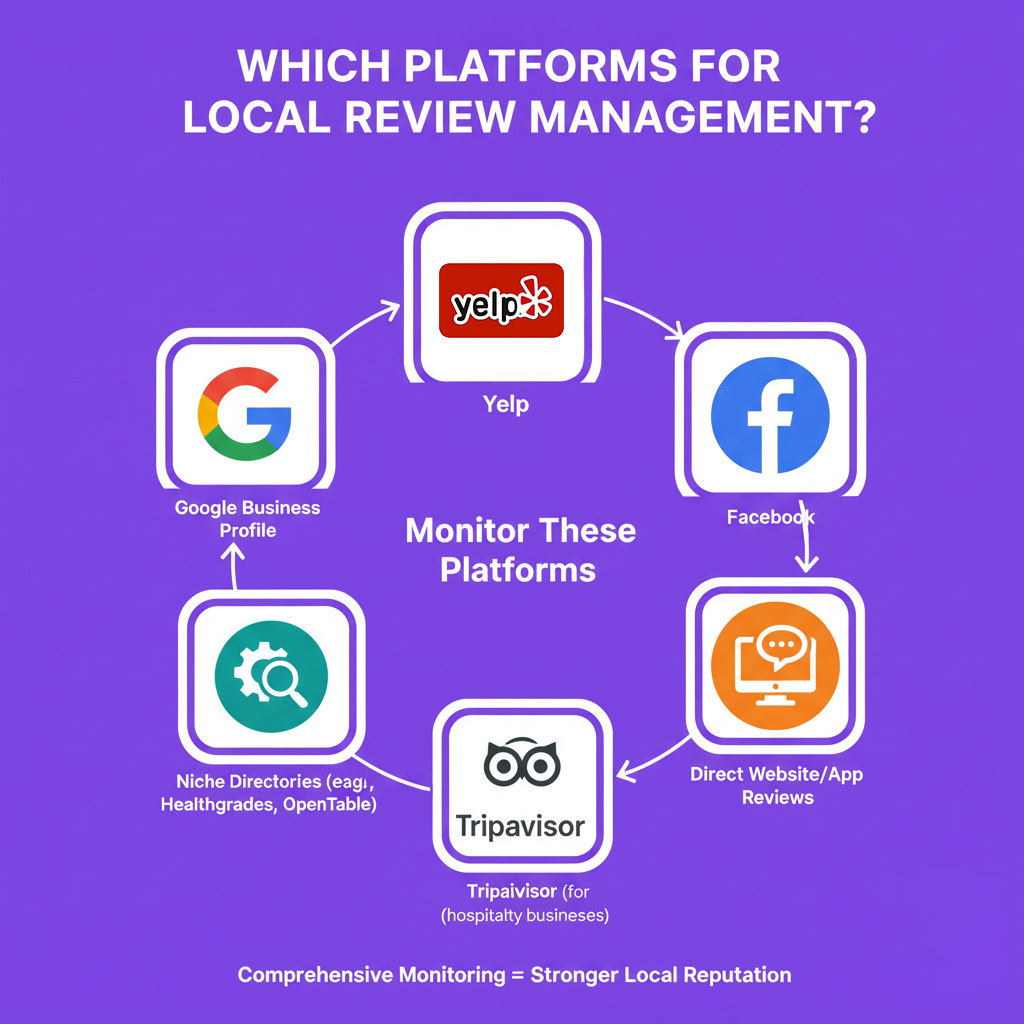
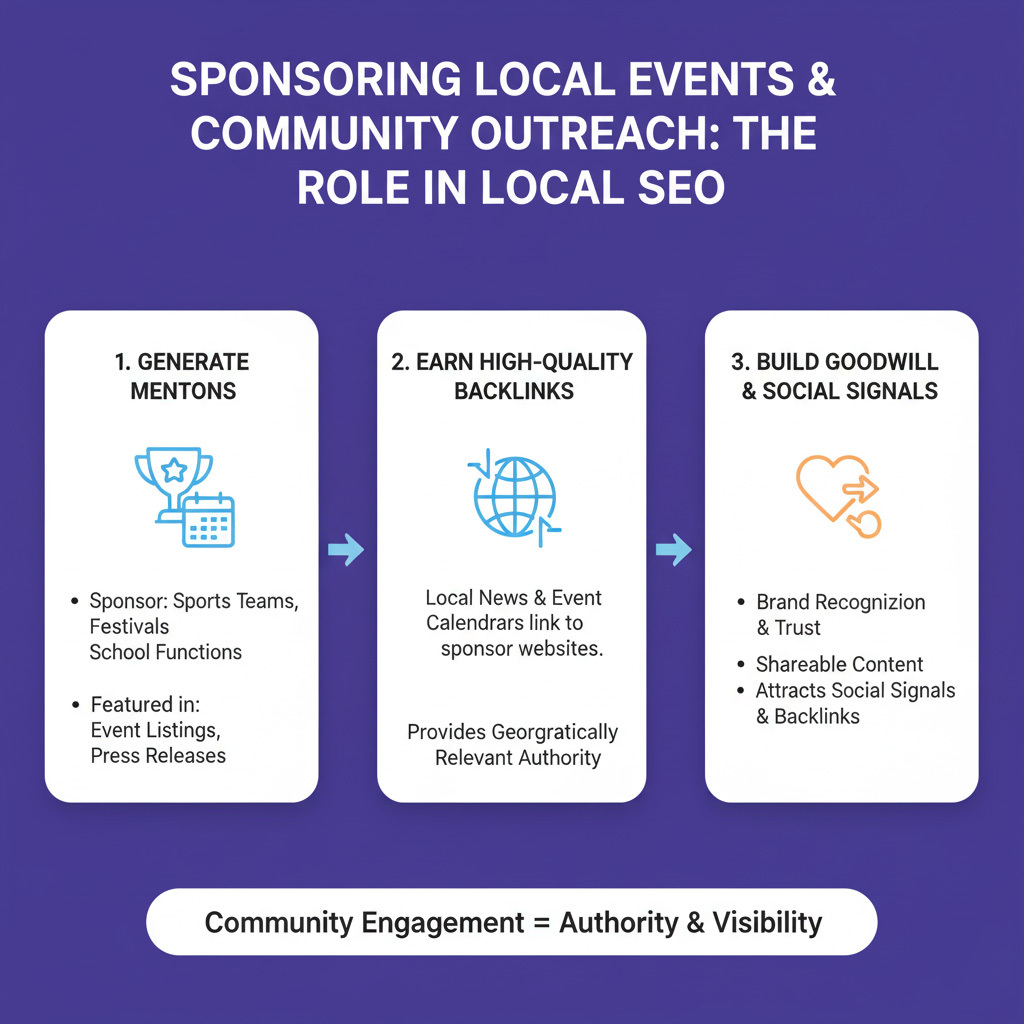
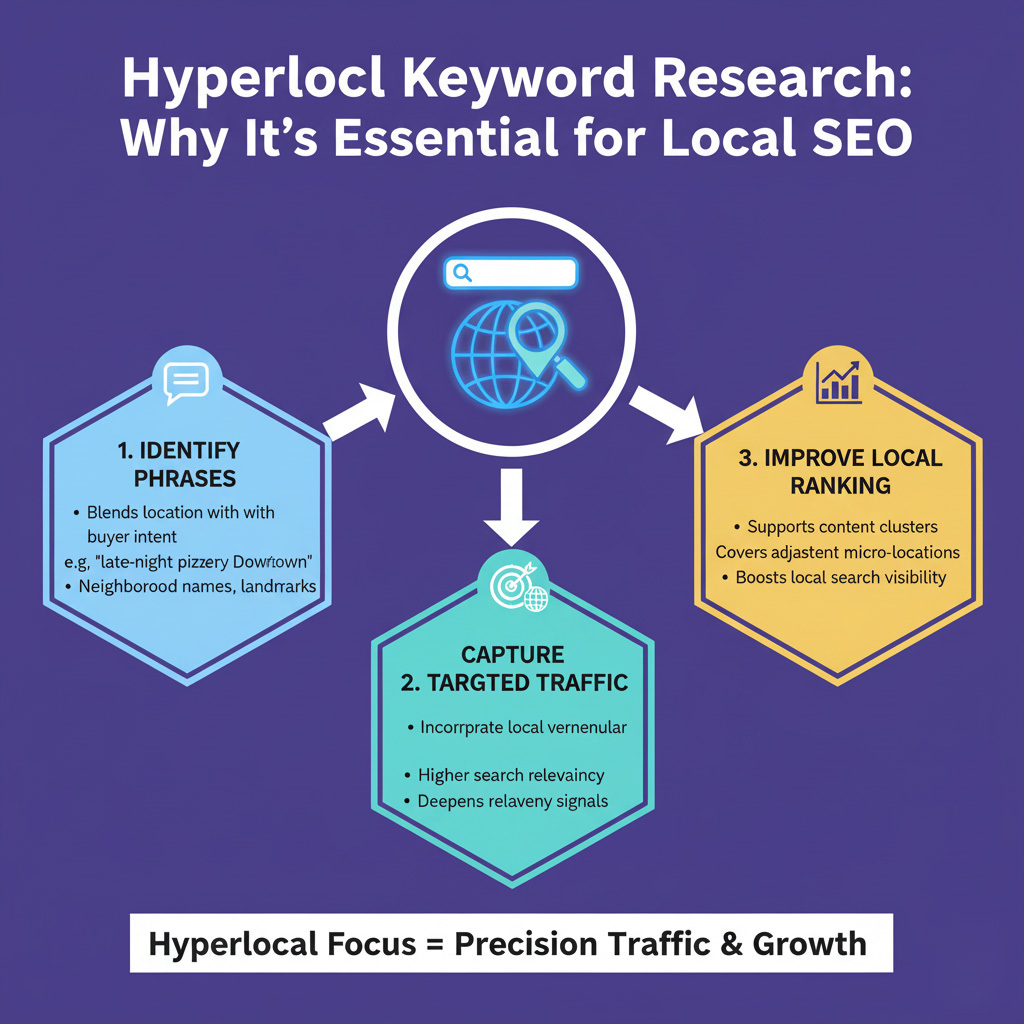
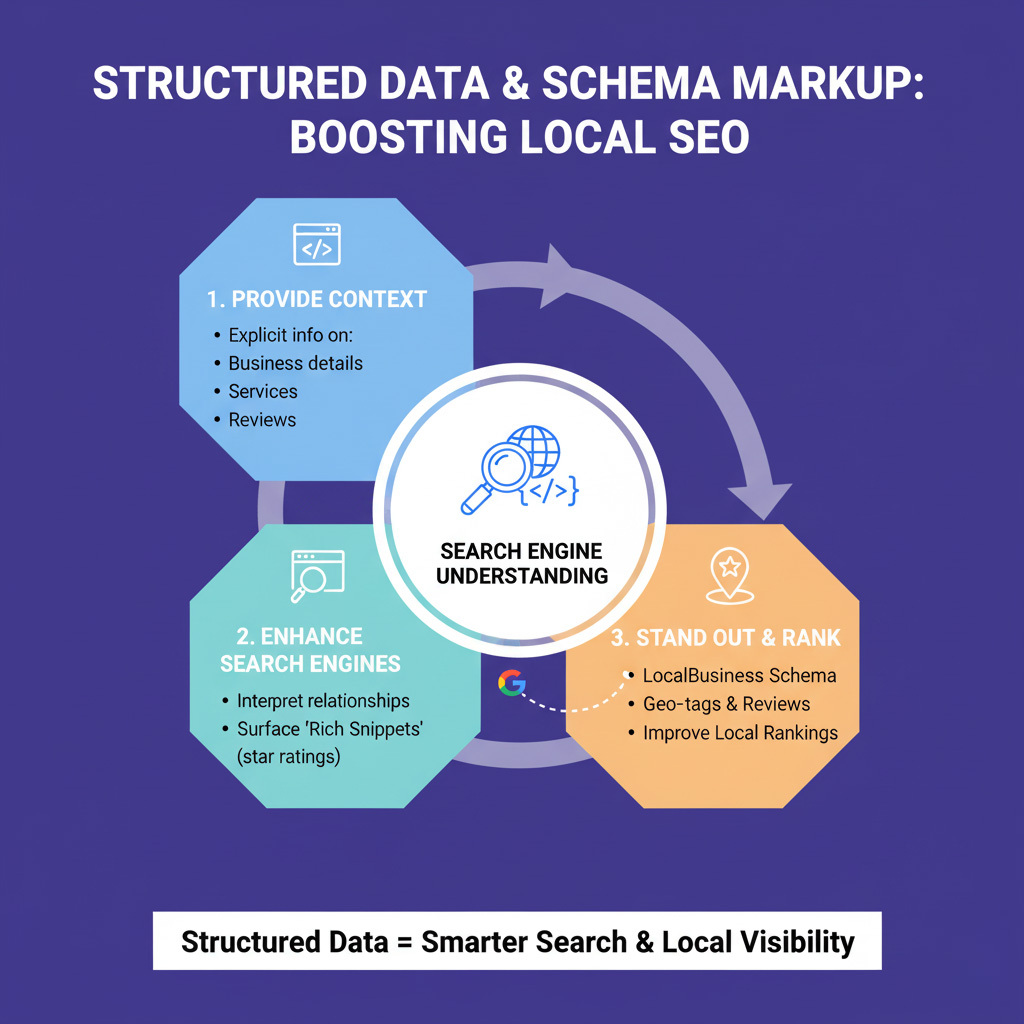
Review schema highlights star ratings and review counts directly in search results, boosting click-through rates by demonstrating social proof.
The FAQPage schema integrates question-and-answer pairs into the markup without creating a separate FAQ page, enabling your content to appear in expandable SERP features.
Both Review and FAQPage schemas support user engagement and enhance your listing’s prominence in local searches.
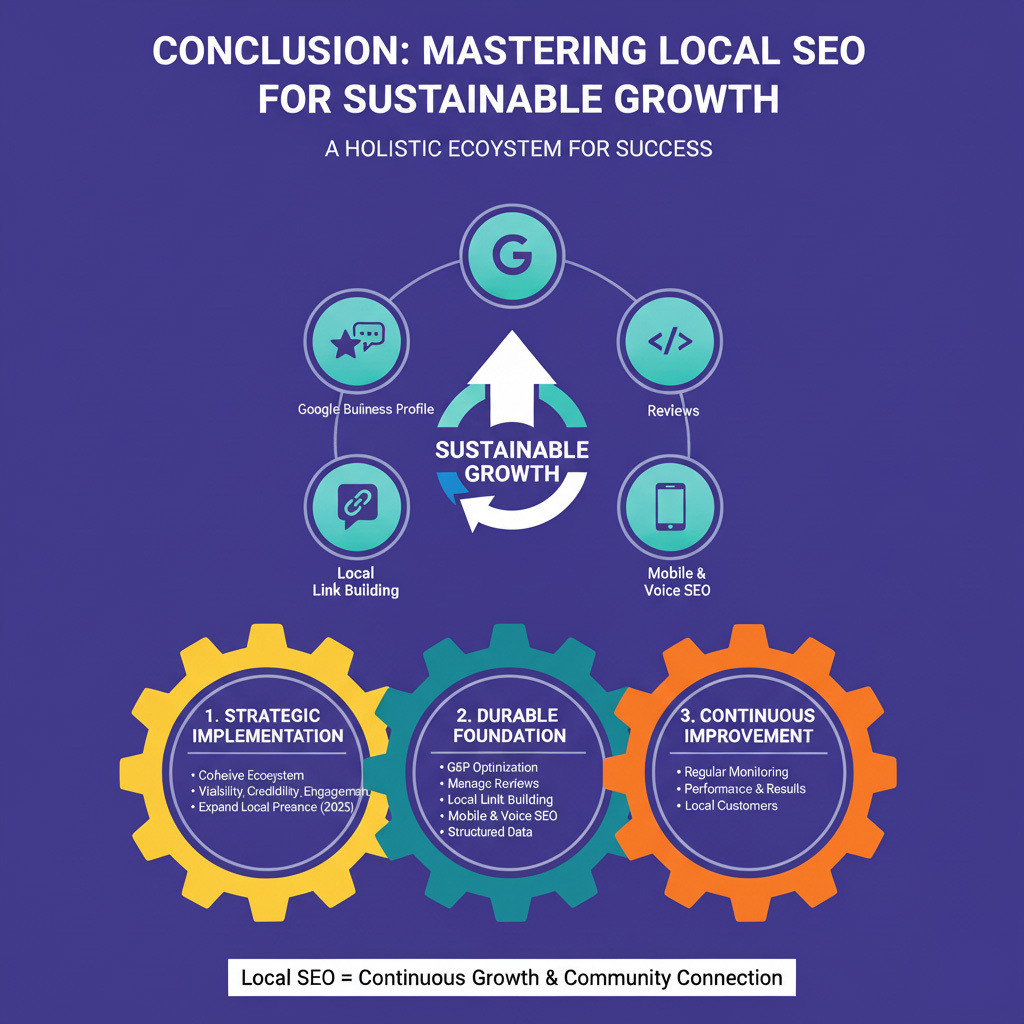
Implementing these local SEO strategies creates a cohesive ecosystem that enhances visibility, credibility, and engagement for businesses aiming to expand their local presence in 2025.
By optimizing your Google Business Profile, managing reviews, building relevant local links, crafting hyperlocal content, and leveraging mobile, voice, and structured data tactics, you establish a durable foundation for sustainable growth.
Regular monitoring of performance metrics will guide continuous improvement, ensuring your business remains top-of-mind and top-of-results for local customers.


Evolving to a Nationwide Brand
ReadyDig, a unique player in the American market of heavy machinery and construction equipment, partnered with Fatcow Digital with a specific goal in mind: Develop a new brand that support their goals to expand across the continental United States of America. We spearheaded their new brand’s creation, website design and development, alongside a complete social overhaul.
READYDIG
Branding, Google Ads, Social Media Marketing, Web Development, CRM Setup and Management
COLORADO

A Standout Logo for Standout Branding
When building out the brand to transition away from MTCEquipment, ReadyDig was looking to standout from its competition. We built a completely new logo taking inspiration from their Colorado-native badger. Known for its strong claws used for digging and burrowing, was incorporated into their logo. Moreover, we also chose to use a bold font with sharp edges. sharp as claws, to relate closely to their target industry.
Impactful Brand Launch and Consistent Growth
ReadyDig’s organic presence on Meta witnessed a substantial boost with its striking new visuals and our consistent deployment of aesthetically pleasing image and video posts contributed to massive follower growth and engagement in the span of 4 months. This led to enhanced brand visibility and recognition alongside a noticeable rise in web traffic and conversions to their newly engineered website.
Results Achieved:
An impactful brand shift has led to a unique player in heavy equipment and construction equipment with a consistently growing social following and a brand new website driving conversions for their XCMG equipment.
Grow as ReadyDig and build a brand that’s set to make a splash These strides exemplify thein your market and capture your piece of the market pie.




From dated presence to a modern, impactful brand
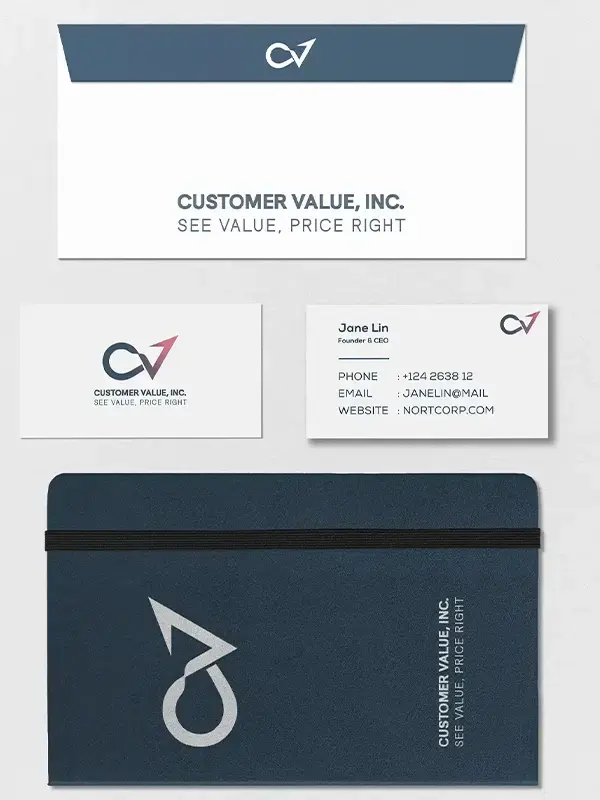
Customer Value Inc. approached Fatcow Digital with a challenge: refresh their entire identity tor a new phase of digital growth.
We worked with them to completely reimagine their brand starting with handcrafting a new logo and visual identity before engineering a completely new website.
Now, they have a brand and website that reflects both their expertise and forward-thinking approach to delivering value, strategy, and insights.
CUSTOMER VALUE INC.
Branding & Web Development
2025-04-20
COLORADO
WWW.CVAL.COM

Logo & Guidelines for a Unified Identity
Customer Value Inc.’s (CVa) old brand lacked cohesion and didn’t reflect their expertise in value strategy.
Their new logo provides the clean, professional, and versatile look needed for a company like theirs to stand out in the digital age.
Alongside their new logo, we built new brand guidelines covering typography, color palette, imagery, and digital applications, providing CVa with the full toolkit to maintain consistency across all platforms.
Website Strategy, Design, and Development
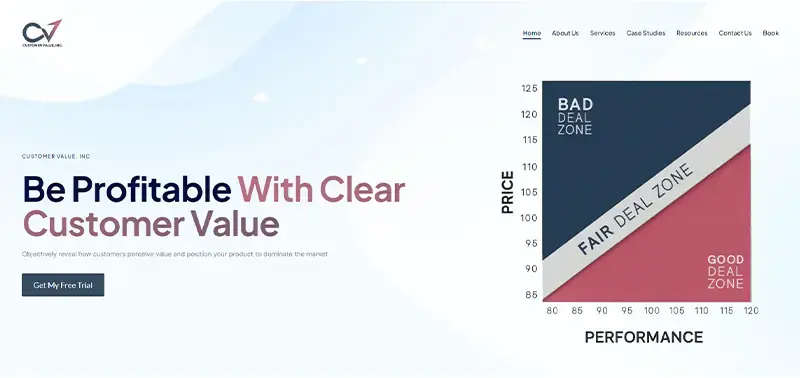
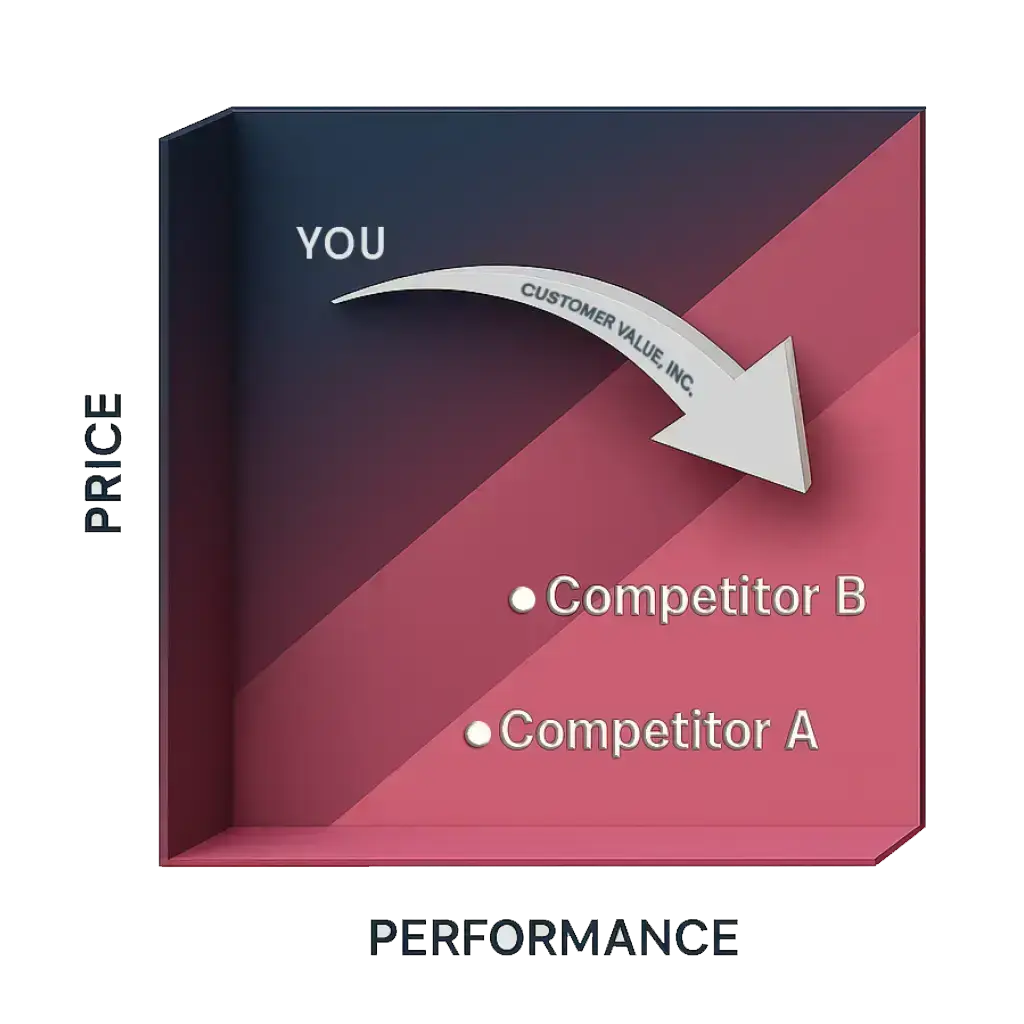
Fatcow Digital redeveloped CVa’s website from the ground up to highlight their services with clarity and authority using modern design elements that reinforce credibility.
Optimized for speed, SEO, and user experience, CVa’s website now serves as both a lead engine and knowledge hub for business leaders looking for insight into customer-centric value creation.
Results Achieved:
Stronger Positioning & Clearer Communication with:
Grow like Customer Value Inc. and build a brand fit for the modern digital era and stand out in your market


Building Authority and Engagement in the Australian Property Market
Buyers Club, a leading property advisory group in Australia, simplifies the property journey for first-home buyers, seasoned investors, and SMSF property purchasers.
With a competitive and fast-changing market, Buyers Club turned to Fatcow Digital to strengthen its digital presence, expand its reach, and position its team as trusted voices in the Australian property space.
BUYERS CLUB
SMM & Marketing, Web Development, Podcast Production
2025-06-04
AUSTRALIA

Bringing clarity and consistency to property education.
We collaborate with Buyers Club to craft clear outlines, engaging storyboards, and ready-to-film scripts that make video creation seamless for their team.
Once recorded, we take care of editing, branding, and packaging each video with professional thumbnails and copywriting designed to attract clicks and drive engagement.
Expanding reach across all major social platforms.
From YouTube and TikTok to Instagram, Facebook, and LinkedIn, we develop a publishing strategy that ensures Buyers Club reaches its target audience where they spend their time.
Each platform gets tailored formats, optimized descriptions, and consistent branding to maximize growth and authority.
Building influence beyond the company account
We also support individual Buyers Club team members with managed professional profiles,.
This allows their team to share thought leadership and engage wider networks to attract even more opportunities beyond the company page.
This dual approach, company + individual branding, creates a stronger presence, more trust, and ultimately, more conversions.


ChatGPT is powerful out of the box but sometimes you need it to work your way. Maybe you want it to write in your brand’s voice, follow strict formatting rules, or handle recurring tasks like summarizing meeting notes.
That’s where Custom GPTs come in. With them, you can design a tailored version of ChatGPT that does exactly what you want no coding required.
Ready to dive in? You can go straight to the ChatGPT Create Page to start building.
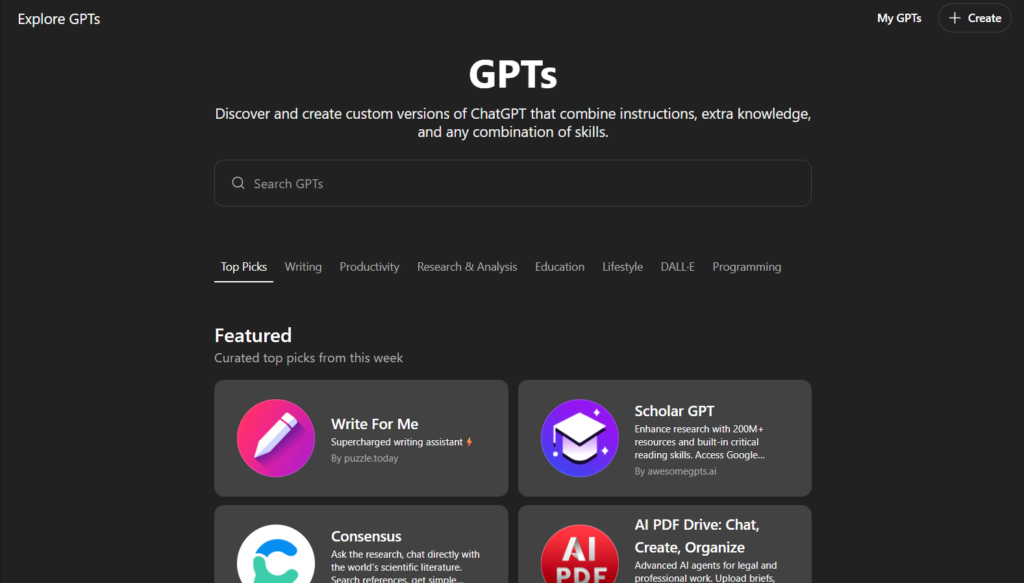
A Custom GPT is your own version of ChatGPT that you can fine-tune for specific needs. You can change its personality, tone, and even upload files so it has direct access to your knowledge base.
Confusingly, GPT also stands for Generative Pre-trained Transformer (the family of AI models from OpenAI). In this article, GPT means the custom chatbots you build inside ChatGPT.
For the official breakdown, check the OpenAI Custom GPT documentation.
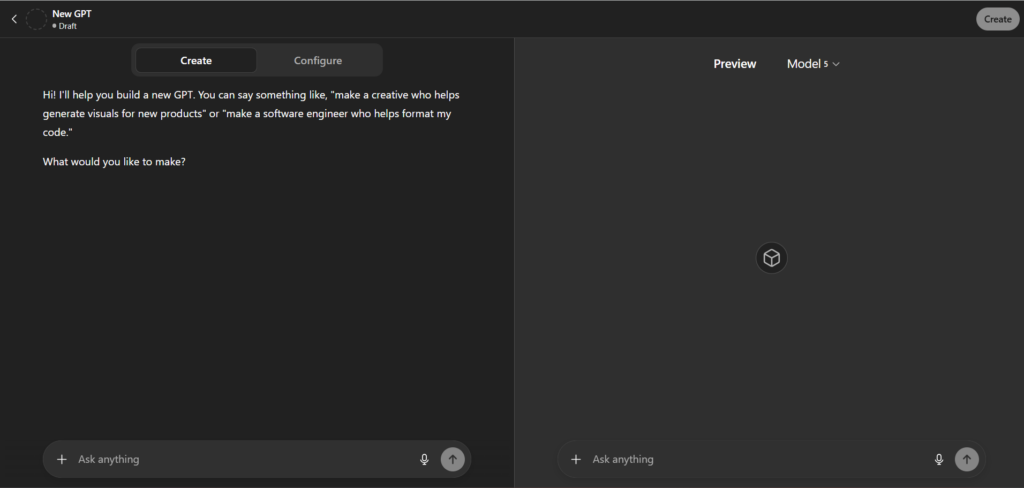
Enter Instructions
Tell the Builder what your GPT should do. It suggests a name, profile image, and starter questions.
Test in Preview
Use the right-side preview panel to interact with your GPT while you build.
Configure Settings
Click Configure to refine instructions, add files, set capabilities (like browsing or image generation), and adjust tone.
Save & Share
Click Create (or Update). Choose to keep it private, share by link, or publish publicly.
For a deeper dive, see the OpenAI Help Guide: Creating a Custom GPT.
When you click Configure, here’s what you’ll find:
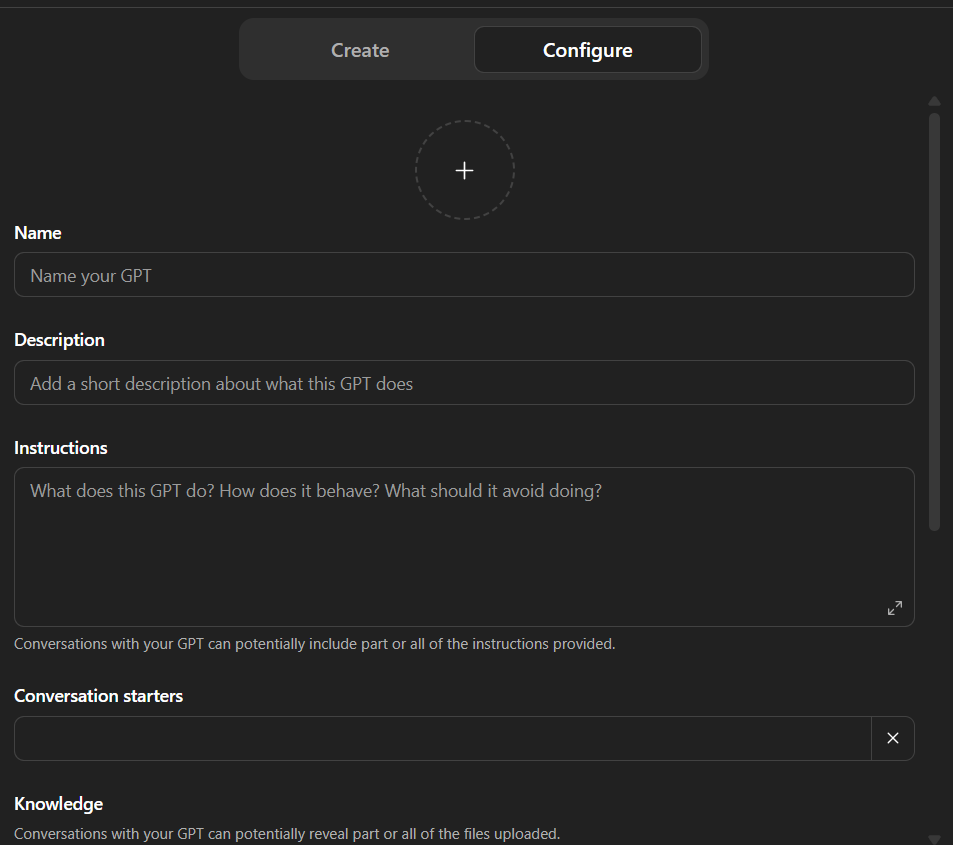
Choose something clear and descriptive (e.g., Marketing Email Assistant).
Upload your own or generate one with DALL·E.
This is the brain of your GPT. Define:
Role & Goal (e.g., “You are a social media strategist…”)
Tone & Style (friendly, professional, witty)
Formatting rules (headings, bullets, citations)
Boundaries (what it should avoid)
Provide ready-made prompts like:
“Summarize this PDF”
“Draft a LinkedIn post about SEO trends”

Upload documents (PDF, TXT, DOCX, CSV) that your GPT can reference.
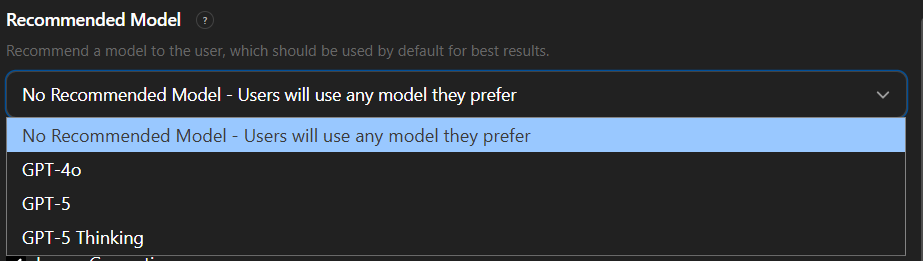

Toggle options:
Web Browsing
Image Generation
Code Interpreter & Data Analysis
If you’re comfortable with APIs, you can add Actions that let your GPT call external services. See OpenAI’s Actions setup guide for details.
To edit: open your GPT in the sidebar → click its name → Edit GPT → update settings.
To share: copy the link and send it (if sharing is enabled).
To delete: Edit GPT → Share menu (…) → Delete GPT.
Q: How many files can I upload to a GPT?
A: We allow up to 20 files to be uploaded to a custom GPT.
Q: My GPT isn’t generating certain files, creating graphs, or handling analytical tasks well. Why is that?
A: Please ensure that the Code Interpreter & Data Analysis capability is enabled.
Q: The custom GPT management page is loading very slowly, likely because I have many custom chats. How can I fix this?
A: We are aware of the issue and are actively working on performance improvements for this page.
Custom GPTs give you more control over ChatGPT, helping you save time and align the AI with your personal or business needs. Whether it’s automating tasks, producing content in your tone, or referencing your internal docs you can set it up in minutes.
Get started now: Create your Custom GPT

OpenAI has released GPT-5, its newest and most advanced AI system.
Unlike earlier versions, GPT-5 is built as a unified system with several smaller models that work together.
A smart router decides in real time which model should answer each part of a task. This makes GPT-5 faster, smarter, and more flexible.
In this guide, we explain GPT-5 in clear terms: its features, versions, benefits, and also its current limitations.
GPT-5.2 available now

Increased Productivity: Faster, higher‑quality answers for writing, problem‑solving, and coding.
AI‑Powered Expertise: Deep, cross‑domain knowledge for technical, academic, and business work.
Integrated Experience: No manual model picking the system adapts automatically.
GPT‑5 is a major step forward: a smarter design, multimodal power, and stronger reasoning. Whether you are a student, a business owner, or a developer, GPT‑5 can help save time and improve results.
If you use ChatGPT or the OpenAI API, you already have access to the standard model. Advanced versions like GPT‑5‑pro and GPT‑5‑thinking provide even more power for professional work.
Summaries based on OpenAI product documentation and announcements (2025).
Always cross‑check critical details against official OpenAI sources.